



 5Likes
Thread: Shop gathering #3, Metal Shaping
Results 1 to 10 of 10
 LinkBack URL
 About LinkBacks
Threaded View
-
03-11-2013 08:12 PM #4
 CHR Member

- Join Date
- Jun 2008
- Location
- Leonardtown
- Car Year, Make, Model: Walking
- Posts
- 1,228
Spent much of the day yesterday at Clarke County Speed Shop in Berryville Va. The owner, OJ Higgins was hosting an all day event of Tig welding and metal shaping, and I was on the hook to provide a good bit of the metal shaping demo. James Bowler added his expertise in showing fusion welding using the Tig. The audience was primarily gear heads, and it seemed everyone had some vintage iron they were working on and looking for some insight to help out with rust repair and panel forming. Based on our audience, OJ asked that I focus on the use of hand tools where ever possible that anyone should be able to easily duplicate. We did stray from this slightly in showing the tipping wheel on the bead roller, but only after showing tipping methods using hand tools, including a cresent wrench...
We started off discussing hammer selection....
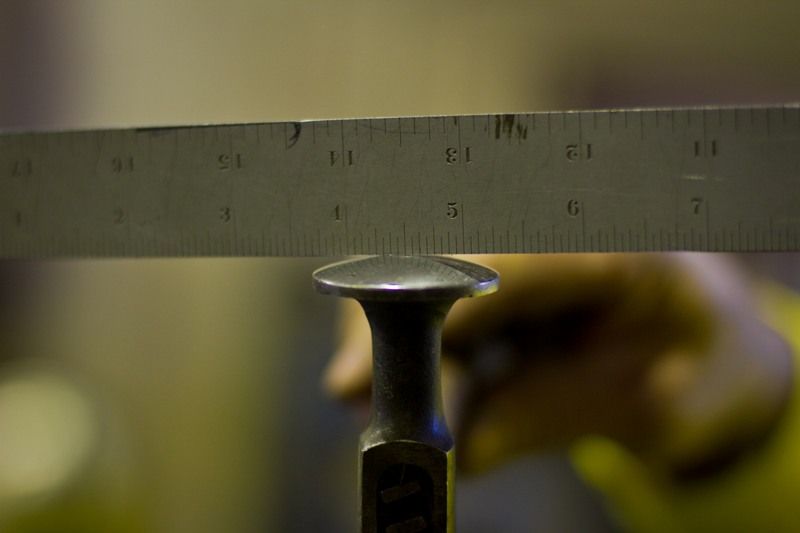
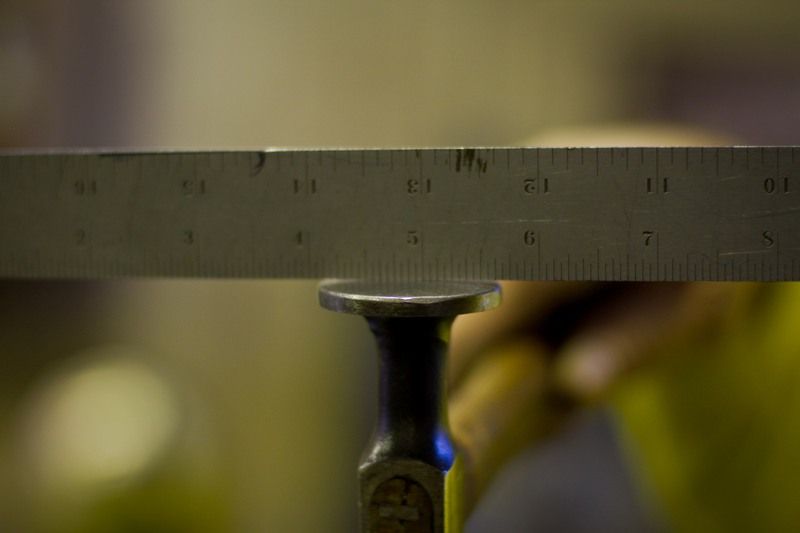
Then, using the body hammers, we showed the principles behind on-dolly, off-dolly, and use of the donut dolly, shown here with a damaged bus door.
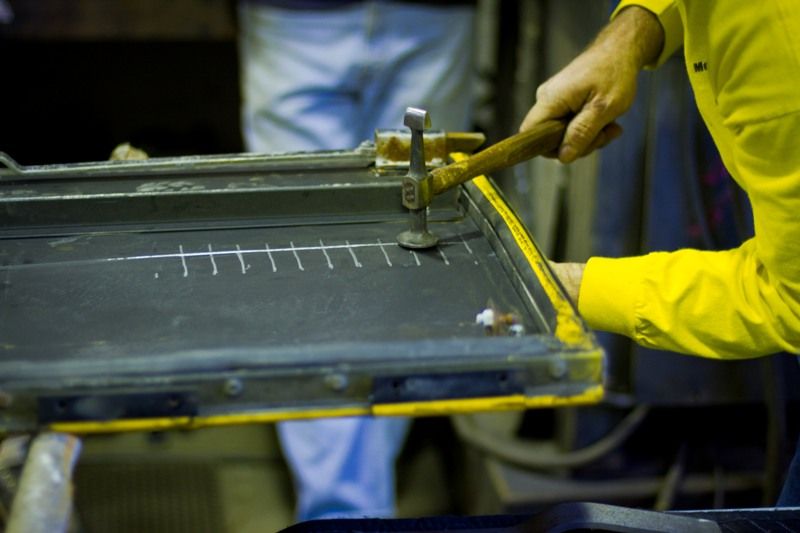
A grid was used on the door to assist with occasionally checking the alignment of the hammer to the dolly, for optimal effectiveness in using the donut dolly.
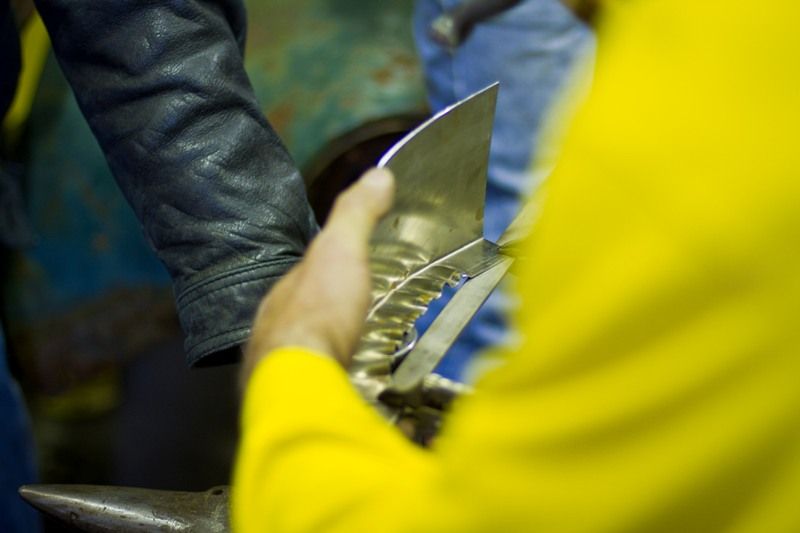
Next, in preparation for trimming patch panels we discussed the proper use of tin snips.
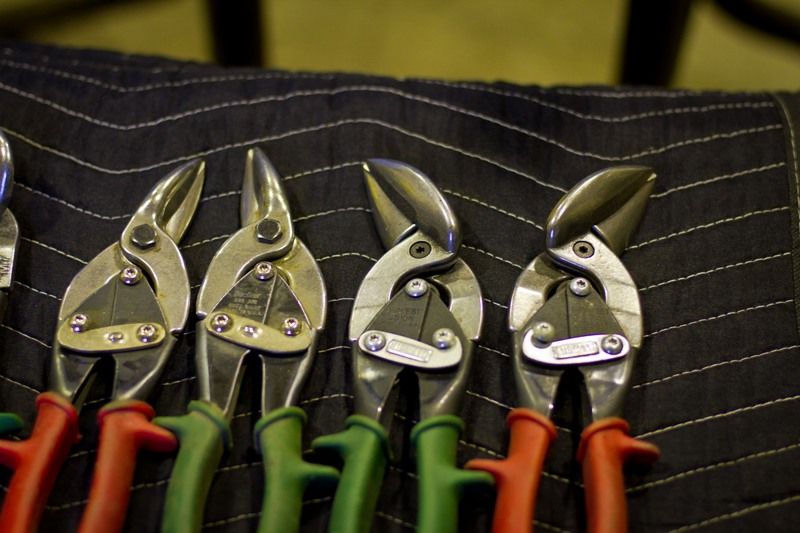
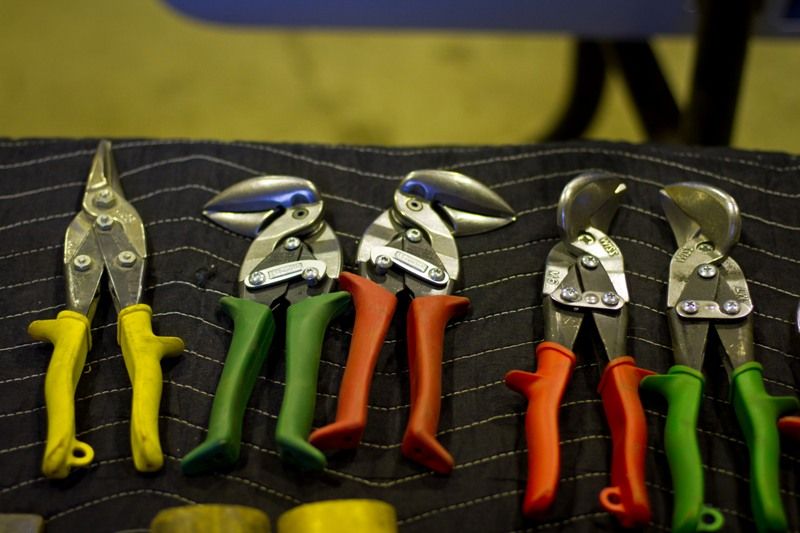
This was based on a video by Bill Gibson, a must see on youtube:
https://www.youtube.com/watch?v=qAOQ...eature=related
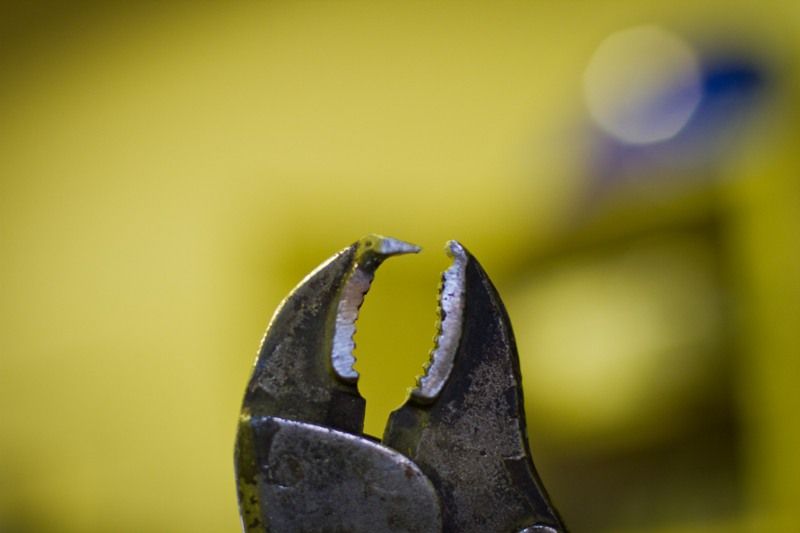
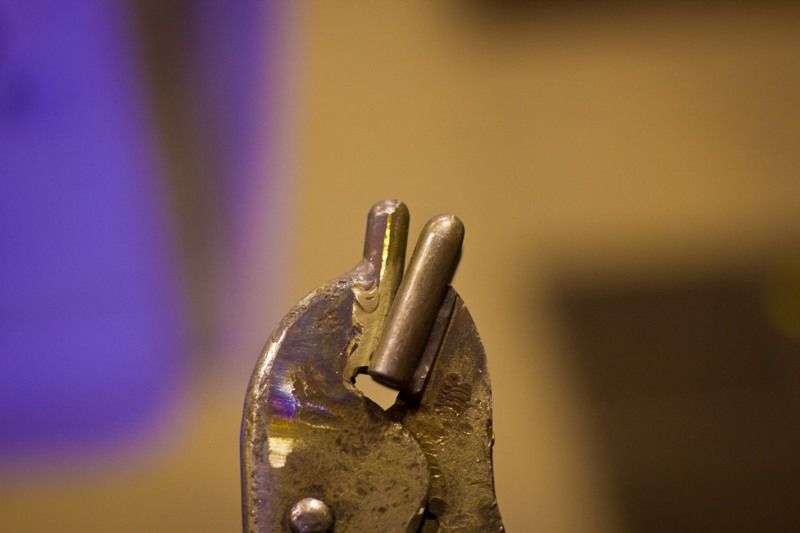
Questions diverted to the "odd looking" vise grips I had brought along, the de-skinning tool:
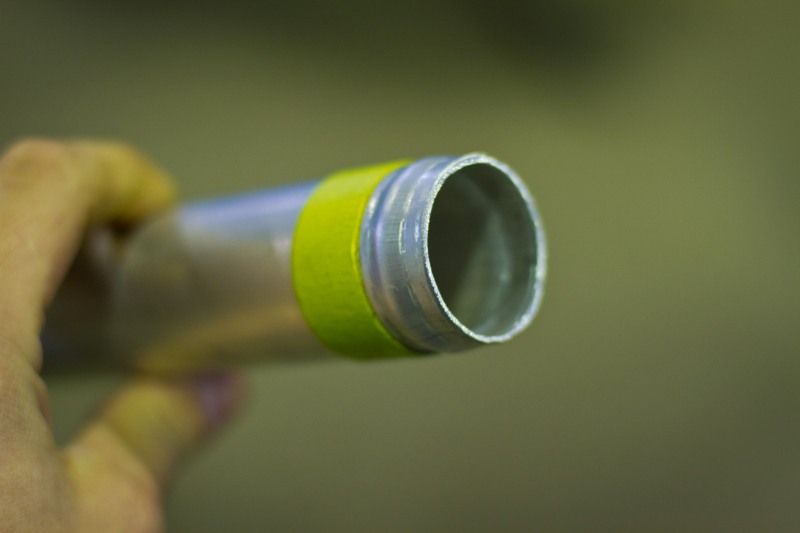
The tube beading tool demonstrated:
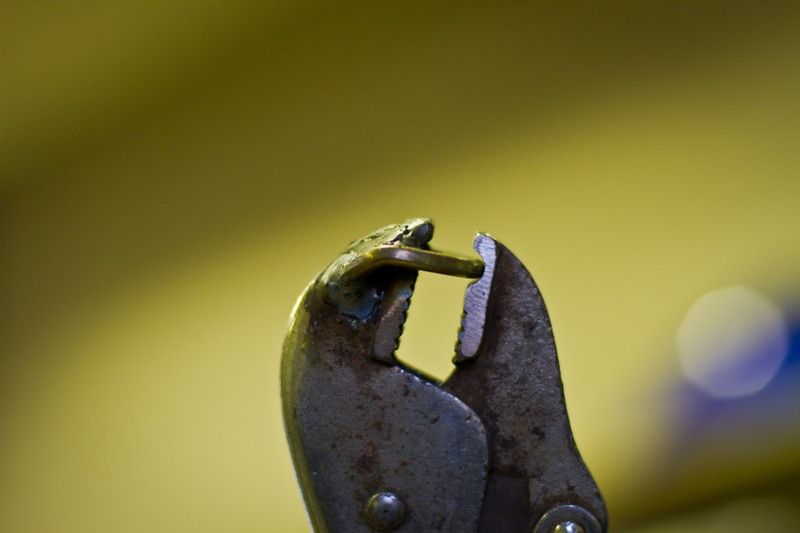
.....and the tuck-shrink pliers...
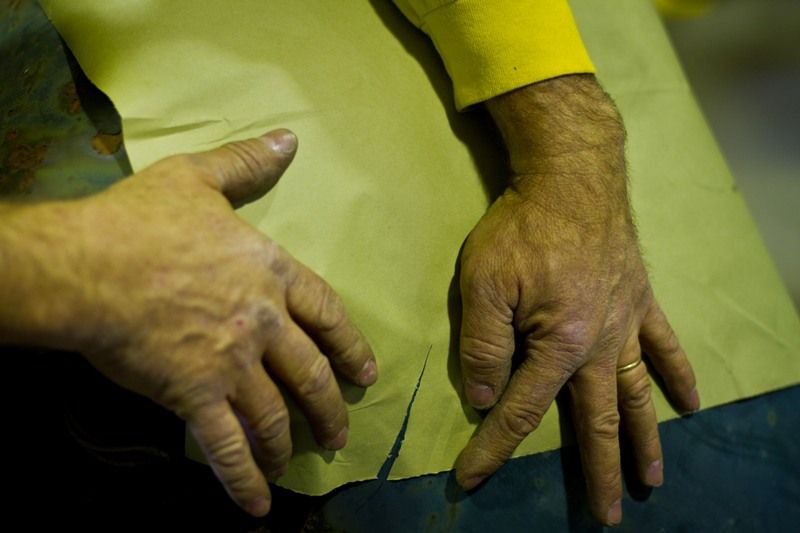
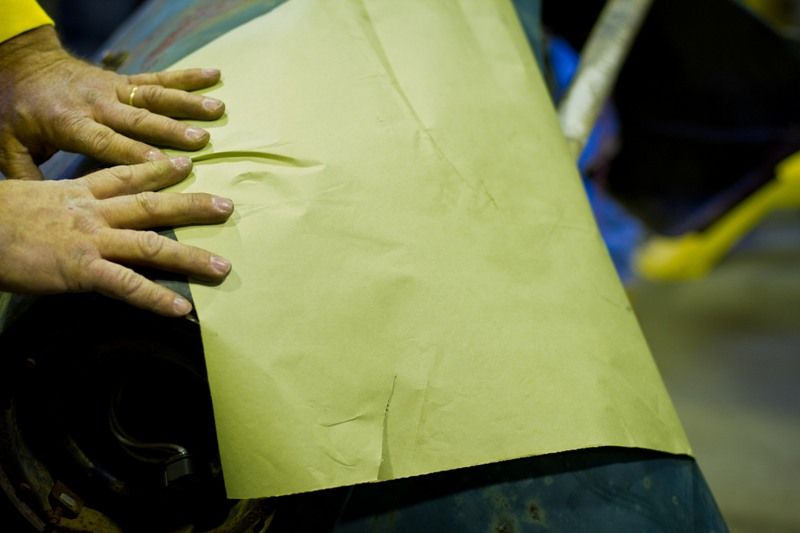
Then we moved on to reading the panel for fabrication of a patch. Starting with a piece of masking paper, forming it tight to the panel, any area showing a pleat would require shrinking, a slit would require stretching.
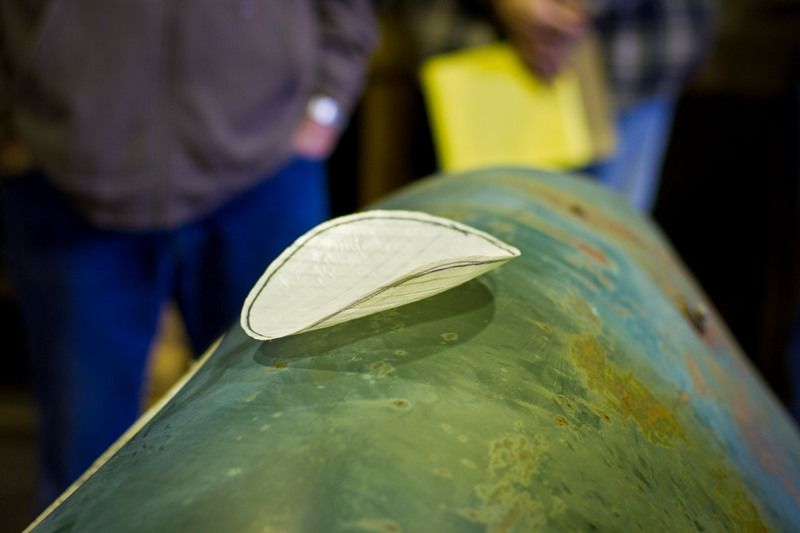
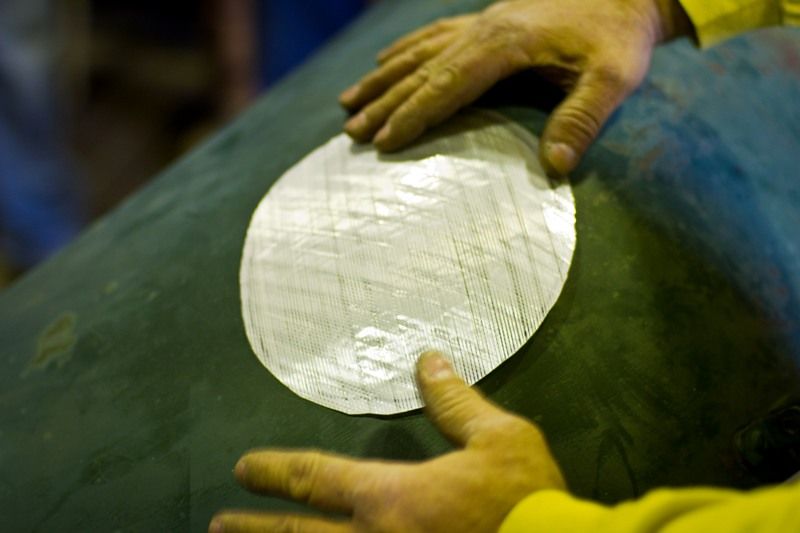
Next, a flexible shape pattern was taken from our circled "sample damage area". Cling wrap was used to act as a release agent, but as the cling didn't, it was stretched across the area and taped in place.
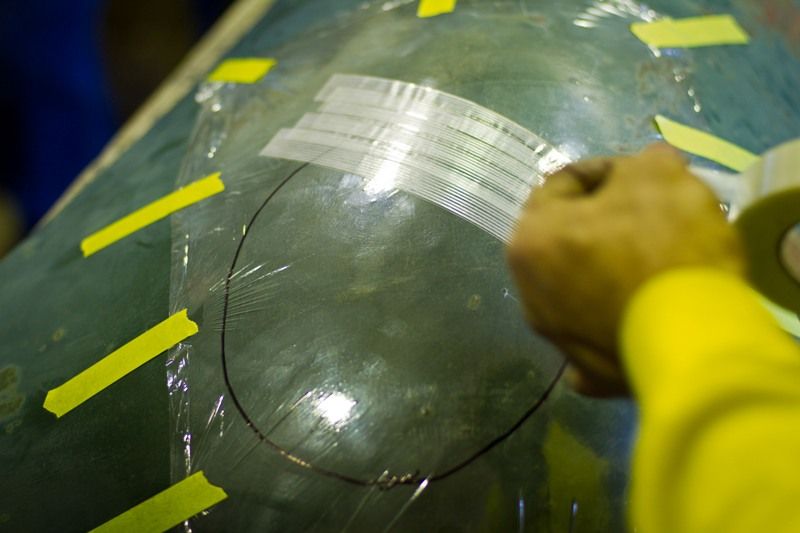
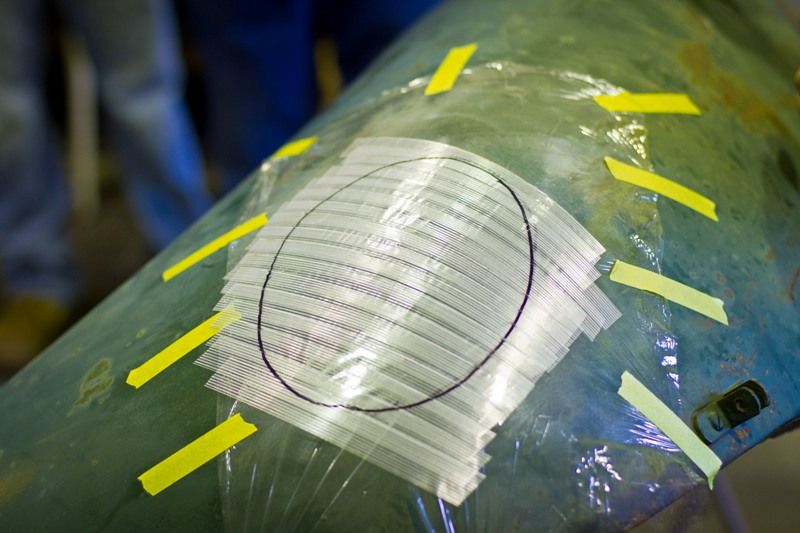
An opposing angle on the second layer helps to lock in the panels shape on the pattern...
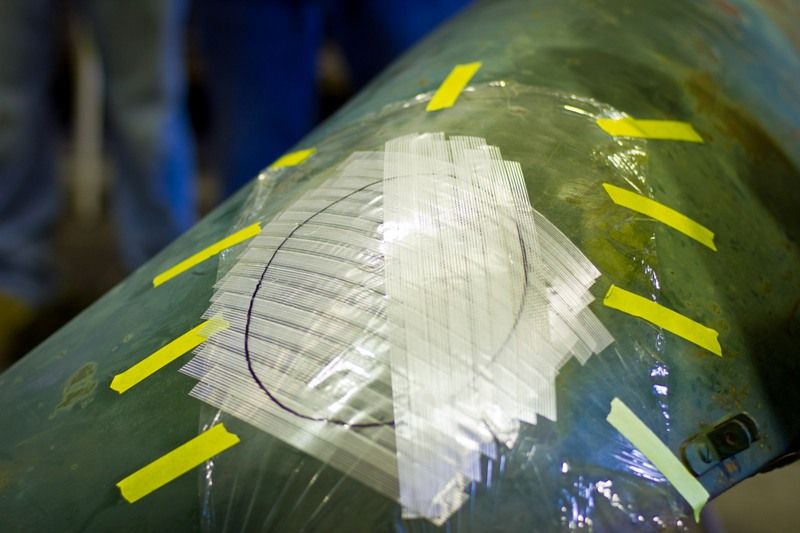
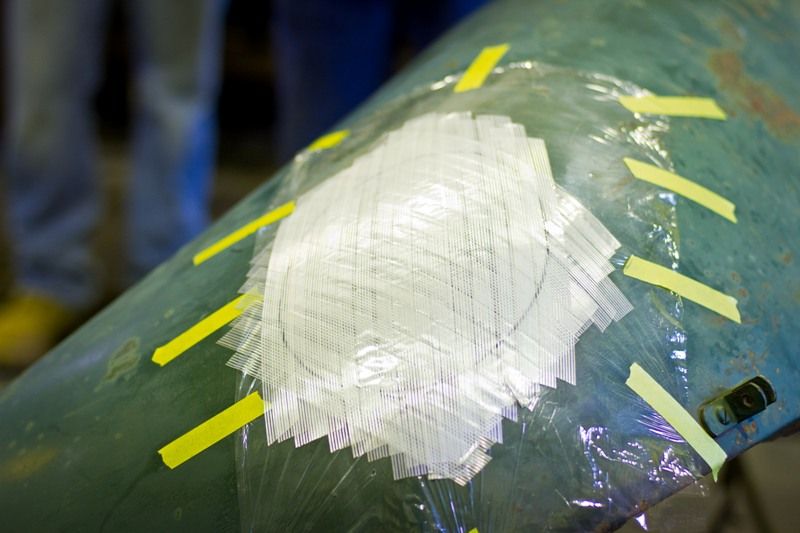
And trimmed off the excess. The reference line surrounding our "damage area" was copied onto each layer to help determine the correct size for the patch panel...
Robert

 Reply With Quote
Posting Permissions
- You may not post new threads
- You may not post replies
- You may not post attachments
- You may not edit your posts

This site is up more often lately, but very little traffic.
Dead!